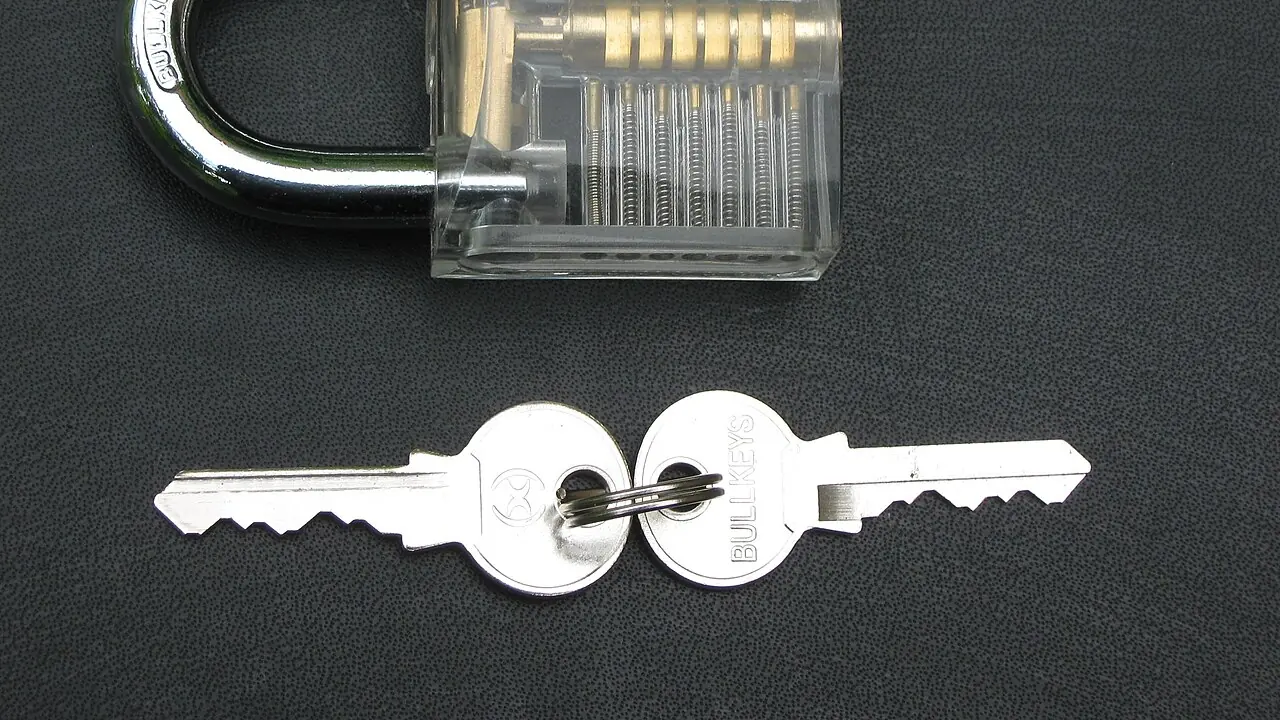
 Article
The security deposit is the largest single amount most tenants pay when they rent. Understanding how it works helps both tenants and landlords avoid arguments later. This is general information, not legal advice, and local rules differ.
How much is usual
There is no single figure across India. In many cities the deposit is a few months of rent, and it can be higher in some metros. Always check the amount in your agreement and compare it with similar places in the same area.
What the deposit is for
A deposit covers unpaid rent, unpaid bills such as electricity, and damage beyond normal wear. It is not extra rent. Normal wear, like a faded wall after years of living, should not be deducted.
Before you move in
- Take dated photos of every room, the fittings and the meter readings.
- Write the deposit amount and the refund conditions in the agreement.
- Note the notice period and when the deposit is returned.
When you move out
- Settle the last electricity and maintenance bills.
- Walk through the place with the landlord and compare it with your move-in photos.
- Ask for a written list of any deductions, with reasons.
Getting it back
Agree a date for the refund in advance. Pay and receive the refund through a traceable method like a bank transfer, and keep the proof.
How RentEase helps
The move-out statement in RentEase works out the deposit, less any unpaid rent and deductions with reasons, and shows the amount to return. Both people see the same statement. RentEase does not move the money, so the landlord returns the deposit directly, with the numbers already agreed.
More to read
 Photo: Cididity Hat, CC BY-SA 3.0News
16 Oct 2026 · 1 min read
Search any city and area in India on RentEase
The city and area boxes now use the India Post directory, so you can pick your city, your locality or even your village.
Read more Photo: iMahesh, CC BY-SA 4.0News
15 Oct 2026 · 1 min read
RentEase is now open to dealers and agents
Owners and dealers can now post rentals free on RentEase. Every listing says who posted it, and RentEase charges no brokerage.
Read more Photo: iMahesh, CC BY-SA 4.0News
14 Oct 2026 · 1 min read
What is in the RentEase rent register today
A short tour of the shared rent register: dues, payments, numbered receipts, reminders, repair requests and move-out statements.
Read more